For nearly a decade, UPI has run on an economics equation that never quite balanced. Every QR code scan, every “scan and pay” moment that made India the world’s largest real-time payments market, moved through banks, TPAPs and infrastructure providers that built and maintained the rails – while the fee attached to those transactions was effectively zero. As someone who has spent years building the switches, fraud detection engines and reconciliation systems that power this ecosystem from behind the scenes, I’ve watched that gap between effort and economics widen. It looks like it may finally start to close.
With the Ministry of Finance introducing the Taxation and Other Laws (Amendment) Bill, 2026, the debate around MDR on UPI has moved from speculation to something more concrete. Finance Minister Nirmala Sitharaman was quick to reassure the market that consumers will continue to transact for free – person-to-person payments and the overwhelming majority of merchant transactions stay untouched. What the Bill does open up is a narrow, selective window: a nominal MDR, lower than typical card rates, applied only to specific categories of merchant transactions above a defined threshold, with the operating detail left to the UPI and Services Steering Committee.
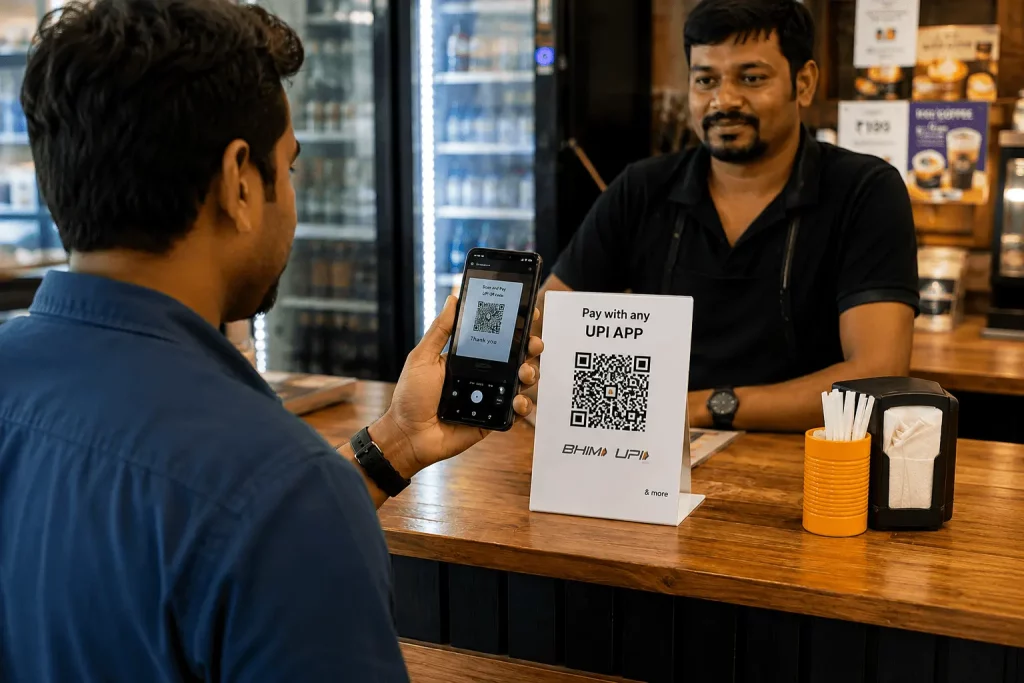
This marks a real departure from the Zero-MDR framework on which UPI has operated under since 2020. And while much of the public conversation has fixated on whether UPI is becoming “costly,” I’d argue the more consequential story is about who gets to build a sustainable business, once even a sliver of that value returns to the ecosystem.
Banks stand to reclaim a seat at the table. Banks have supported UPI’s infrastructure for years – settling transactions, absorbing compliance costs, carrying the regulatory weight – without a direct revenue line to justify continued investment. A functioning MDR – split fairly between issuing bank, acquiring bank, PSP bank and NPCI, gives banks a genuine commercial reason to build in-house UPI acquiring capability rather than watching TPAPs own the merchant relationship end-to-end.
TPAPs get room to sustain what they’ve built. PhonePe, Google Pay, Paytm and others didn’t just process transactions – they built Soundboxes, merchant dashboards, credit lines and loyalty tools, largely monetised through lending and advertising. A revenue-sharing MDR on high-value merchant transactions lets that investment be funded more directly and predictably.
Payment processors and infrastructure providers finally get counted. UPI switches, fraud and risk management engines, reconciliation systems – the Infrastructure layer I work in every day – have always been cost centres someone upstream had to justify. A viable MDR pool means the economics of building and running this infrastructure are finally recognized in the actual flow of funds, not just in NPCI circulars.
High-volume merchants aren’t being asked to fund something new – they already invest in this. Large merchants running thousands of transactions a day already spend on payment infrastructure, fraud management and reconciliation. A calibrated MDR simply formalises the sharing of value already being created, rather than letting it be absorbed entirely upstream.
Several questions remain genuinely unsettled – who qualifies as a chargeable merchant, what the exact rate will be, how revenue gets distributed, whether the charge can be passed on. These aren’t small details; they’ll determine whether this reform lands well or badly. But the direction of travel is unmistakable: UPI is shifting from a public utility funded by goodwill to an ecosystem where every layer of the ecosystem – banks, TPAPs, and the infrastructure providers like us who keep it running – finally gets paid for the value it creates.
If you’re a bank or fintech thinking through how a future MDR framework could reshape your UPI acquiring strategy, I’d welcome the conversation.
Author
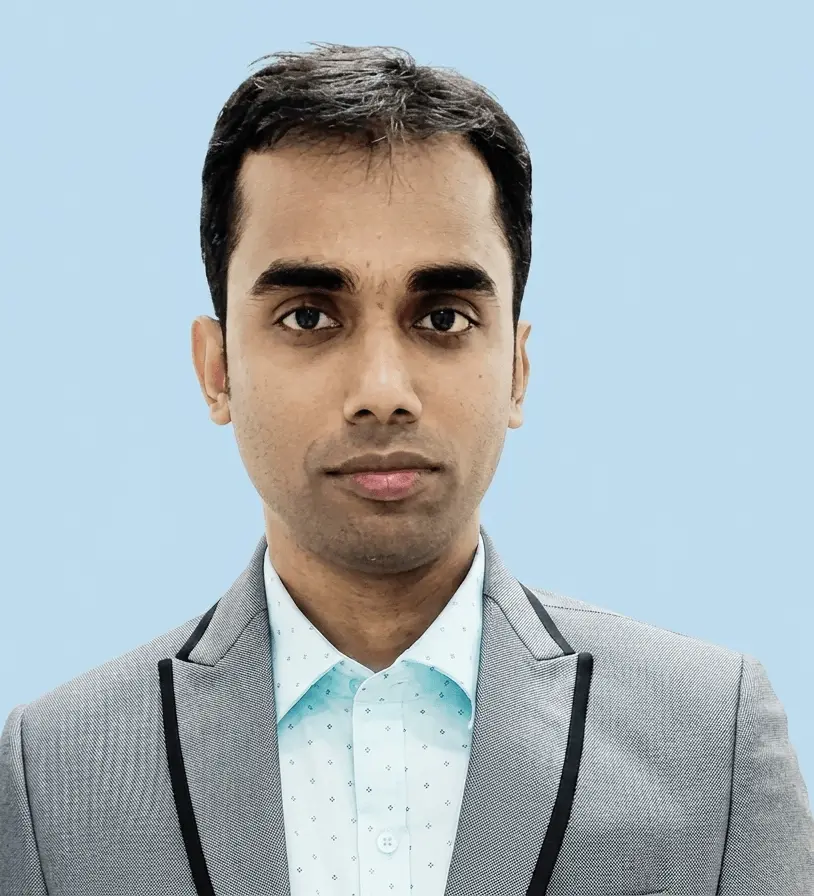
Debashis Mohapatra, Chief Operating Officer
He brings over a decade of payments industry experience to the role. He has designed and implemented merchant payment infrastructure solutions across India's financial institutions, focusing on scaling payment access for all market types. His approach to payments architecture prioritizes operational resilience and pragmatic solutions over conventional approaches.